英语学习新手必备的四个记忆法
Mastering memorization techniques is a cornerstone of effective language learning, especially for beginners navigating the complexities of English. Unlike passive reading or listening, deliberate memory strategies actively engage your brain in retaining information. These methods aren't mere tricks; they represent shifts in cognitive approach that transform how you absorb and retain vocabulary, grammar rules, and expressions. The journey from memorizing isolated words to constructing meaningful sentences hinges on selecting appropriate techniques suited for the initial stages of learning.
The first method is **Active Recall**, essentially turning passive memorization into an active test. Instead of simply reading flashcards or textbook examples, actively retrieve information without prompts. This involves testing yourself immediately after encountering new vocabulary – closing your notes and trying to recall definitions, synonyms, or usage contexts from memory alone. The challenge strengthens the neural pathways, making recall significantly easier later on than passive repetition.

Secondly, **Spaced Repetition** is key for long-term retention. Don't just review words once at the end of a chapter; revisit them strategically over increasing intervals. This could mean reviewing learned items after one day, three days, then a week or two. Utilizing apps designed around spaced repetition schedules can automate this process effectively, ensuring consistent reinforcement without feeling like rote memorization.

Thirdly, **Contextualization** makes abstract rules and words tangible. Simply memorizing grammar points in isolation is inefficient; embedding them into real-life situations or using them to create sentences dramatically increases understanding and recall ability. Relate new vocabulary to personal experiences, visualize its use, or find relevant news articles online for targeted practice.
Finally, **Visualization Techniques** can be incredibly powerful aids. Transforming words or concepts into mental images makes them easier to remember. For instance, remembering verbs like "run," "jump," or "climb" visually – imagining a rabbit running fast, someone jumping over an obstacle, or ascending a steep hill – creates memorable associations far beyond rote memorization.
相关文章

微信分付额度变现方法与风险
微信分付本质上是一种基于闭环生态的消费信贷工具,其核心逻辑在于锁定支付场景,以降低资金外溢风险。然而,用户对于“流动性”的原始诉求与这种受限的信用额度之间,存在着一种天然的张力。当信用额度被限制在特定...
得物佳物分期与信用的深度解密
得物佳物的分期提现机制本质上是平台对消费场景的金融化重构。通过将商品价值拆解为分阶段支付,平台既满足了用户对即时消费的冲动,又通过资金流的分段控制降低了交易风险。这种模式在潮玩经济中尤为显著,用户往往...

得物佳物分期付款攻略
得物佳物分期的核心本质,并非单纯的支付手段更迭,而是消费升级背景下一种灵活的资金杠杆。在面对高客单价的潮流尖货或奢侈品时,用户通过分期支付来对冲即时的现金流压力,将原本由于资金集中带来的购买阻碍,转化...
微信分付额度优化与还款技巧全解析
微信分付额度调整后,用户对资金周转的需求呈现结构性变化。当前平台将基础额度从3000元提升至5000元,但实际可用额度受用户信用评分、消费频次等多维度影响。部分用户通过绑定多张银行卡实现额度叠加,但需...
鹿优选临时额度能提现?这样看!
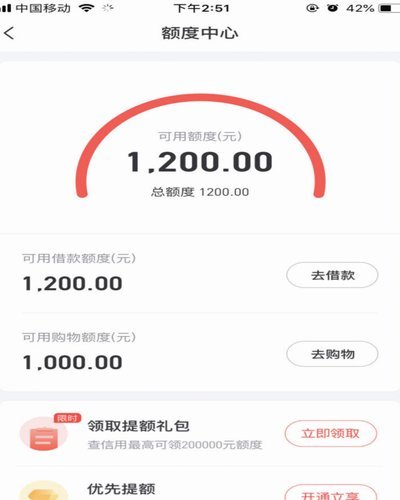
临时额度本质上并非具有完全流动性的银行存款,它更像是一种系统层面的“交易预授权金”或“生态权益凭证”。深入理解这一点,是分析“鹿优选临时额度是否可以提现”的前提。从资金流向模型来看,这些临时额度在发放...
拍拍贷:曾经的P2P标杆,如今的转型之路
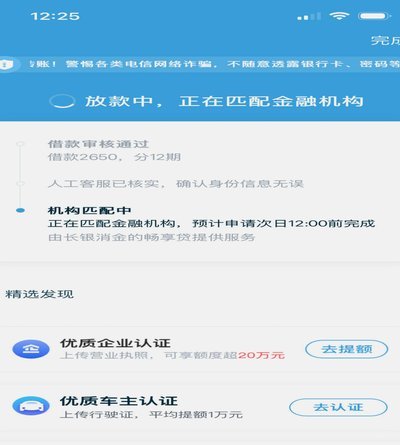
拍拍贷作为中国P2P行业早期的标杆平台,其核心逻辑建立在去中介化的借贷撮合机制上。平台通过线上化流程将借款人与出借人直接对接,借款人需提交信用报告、收入证明等材料完成资质审核,出借人则通过风险评估模型...